Memory Care
The Memory Care Home Safety Checklist (Room by Room)
A printable walk-through of the changes that prevent the most common dementia injuries — falls, burns, wandering, and medication errors.
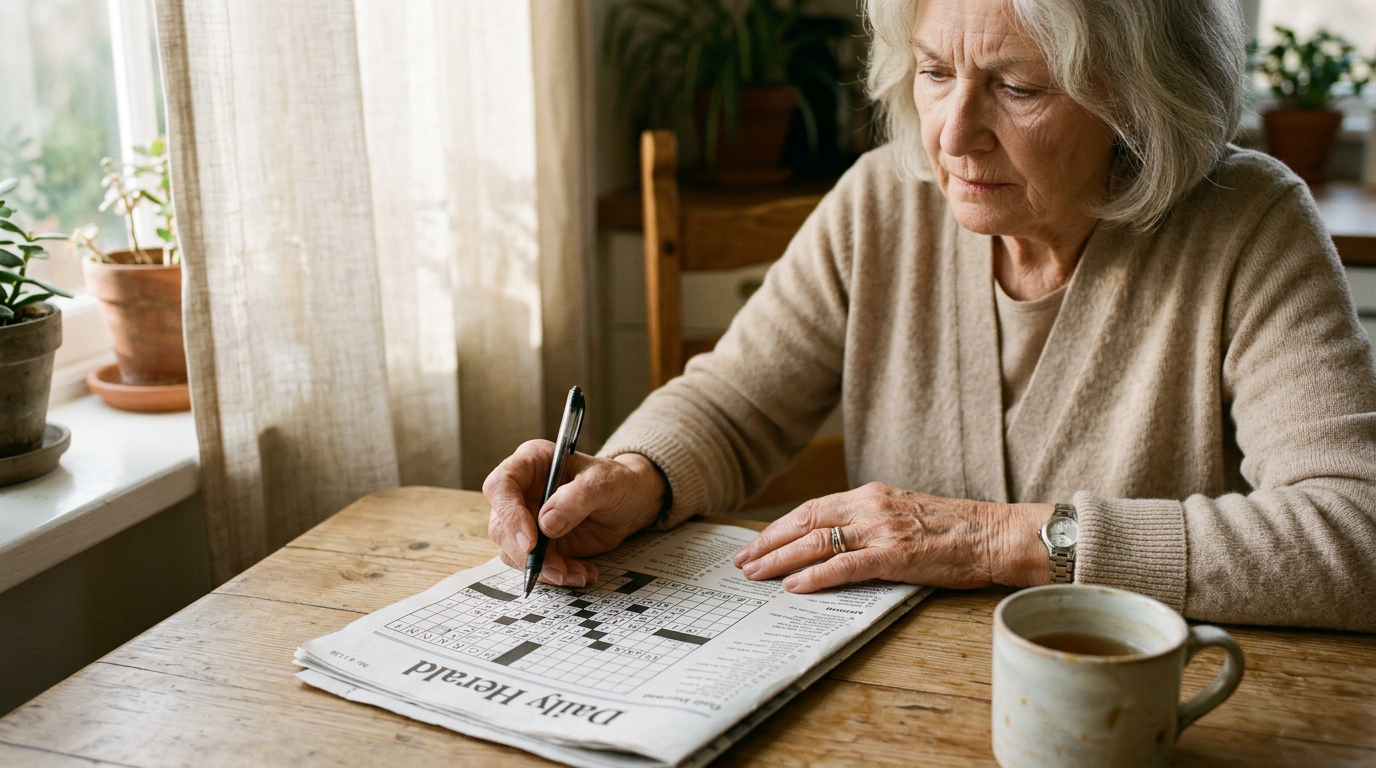
Most dementia injuries happen in places that used to be perfectly safe. The kitchen they cooked in for forty years. The bathroom they've used every day. The change isn't the home — it's how the brain is now interpreting it.
Here is the room-by-room walk-through our care managers do on every initial home visit.
Entryways and hallways
Remove throw rugs entirely — they are the leading cause of falls. Add motion-activated nightlights every 10–15 feet. Install a discreet door alarm or a GPS-enabled wandering device for anyone who has expressed wanting to 'go home' even when they are home.
Kitchen
Install an automatic stove shutoff (around $200, often the single best safety investment). Lock or remove sharp knives and cleaning chemicals. Label cabinet contents with words and pictures. Remove decorative fruit — it gets eaten.
Bathroom
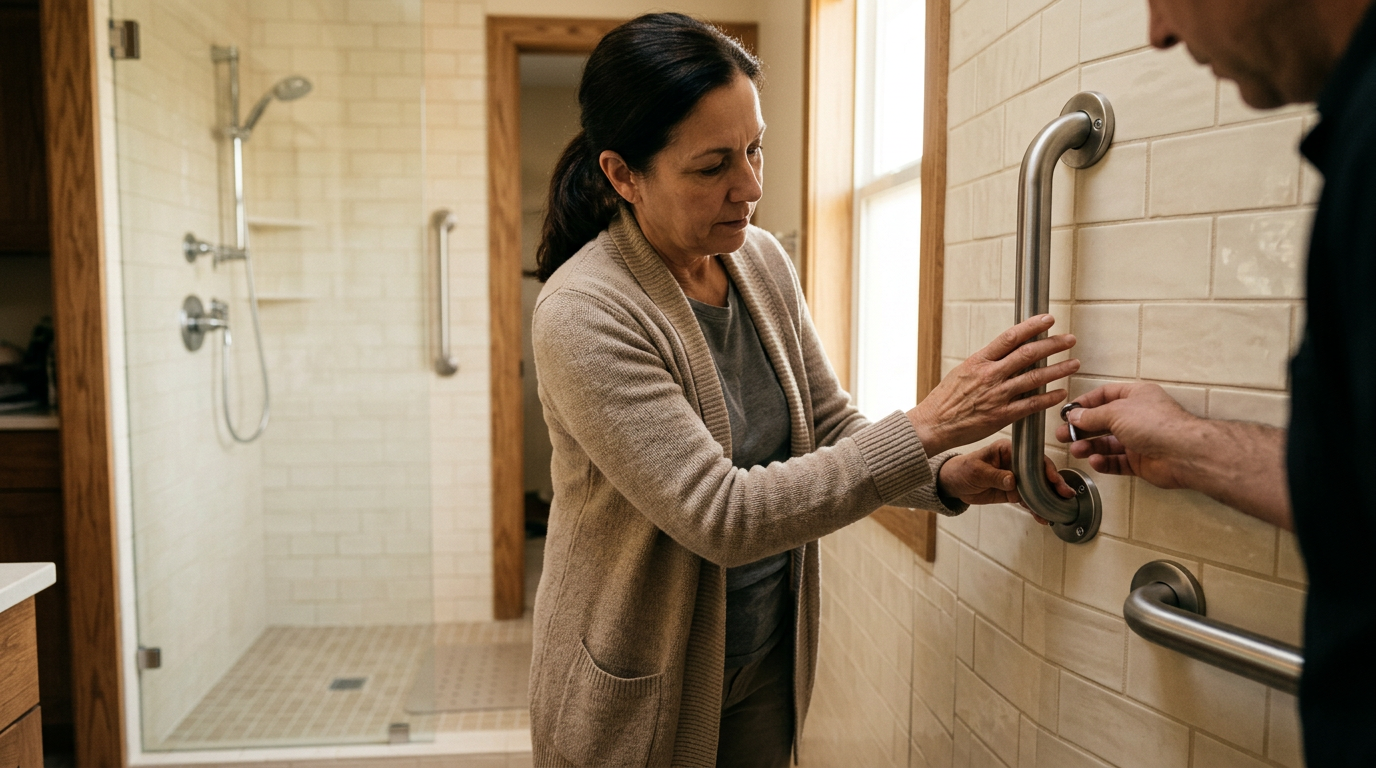
Grab bars near the toilet and inside the shower (not towel bars — they pull out of the wall). A shower bench. A handheld shower head. Set the water heater to 120°F max to prevent scalding. A raised toilet seat if standing is becoming difficult.
Bedroom
A motion-activated path light from bed to bathroom. A bed rail or low bed if falls are a concern. Remove clutter from the floor — the dementia brain processes a pile of laundry as a confusing obstacle in the middle of the night.
Medications
A locked medication box for anything beyond a daily pill organizer. Eliminate duplicates. Photograph each pill and tape the photo to the bottle. Most medication errors happen in the first month after a hospital discharge — be especially careful then.
Outside
Keep the yard well-lit. Lock garden sheds and pool gates. Remove or fence off water features. Make sure a neighbor knows there is a person with dementia in the home and what to do if they see them outside alone.
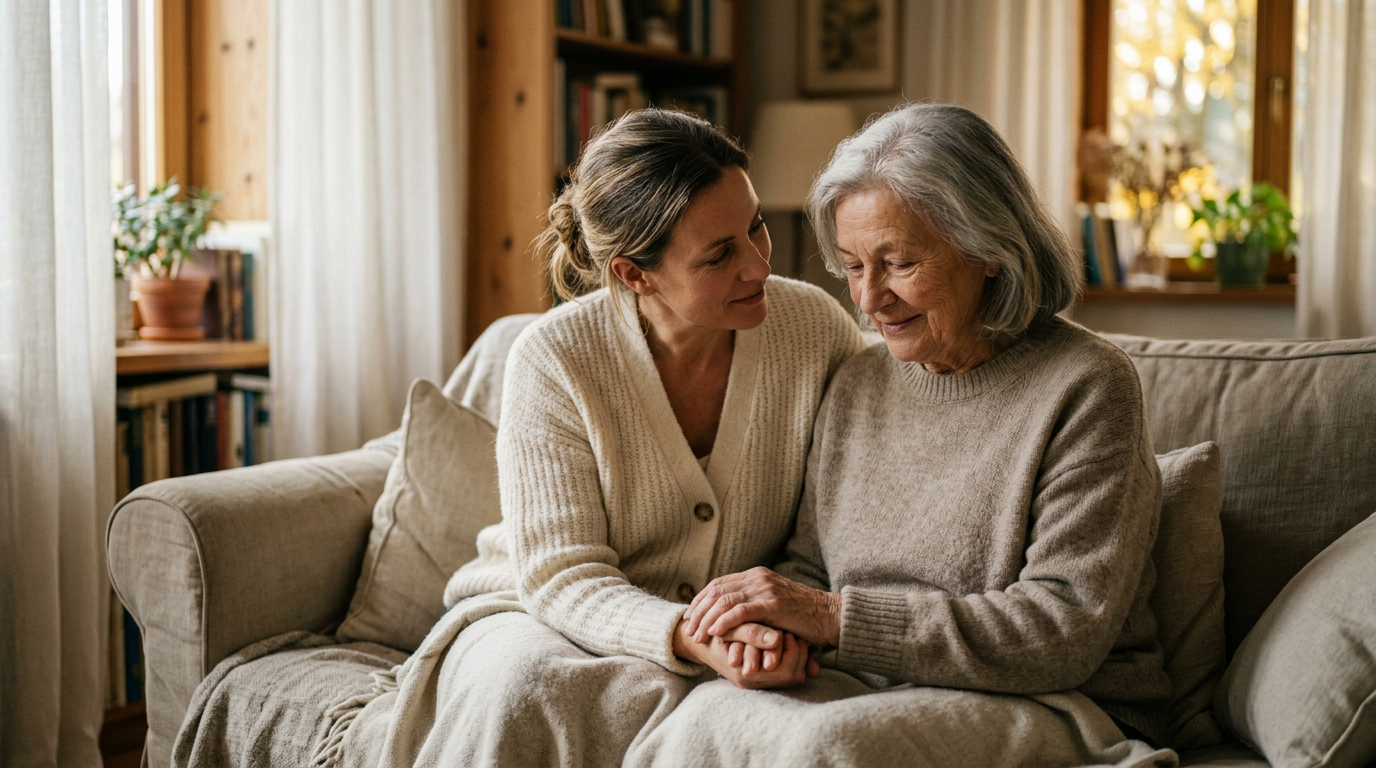
When you're ready, we're here.
A free in-home assessment with one of our care managers — no pressure, no obligation. Just an honest conversation about what would actually help.