
Home Care
What an In-Home Caregiver Actually Does All Day
Beyond 'companionship,' here is the real list — the small, skilled, often invisible work that keeps someone safe at home.

When families first call us, the most common question isn't about price. It's: 'What would they actually do for my mom?' Here's the honest answer for a typical four-hour shift.
The first 15 minutes
Hand hygiene. A quick visual check — color, balance, mood, anything unusual since yesterday. Review the night's notes from family or another caregiver. Confirm medications scheduled for the shift.
Personal care
Bathing or showering with safety transfers. Dressing in clothes that match the weather and your loved one's preferences. Hair, oral care, shaving, skin checks for anything that needs a doctor's attention. Nail care. Toileting and continence support if needed.
Nutrition
Meal preparation matched to dietary restrictions and what they will actually eat (these are often different). Sitting with them while they eat, because people who eat alone eat less. Hydration tracking — most older adults are mildly dehydrated most of the time.
Cognitive and emotional engagement
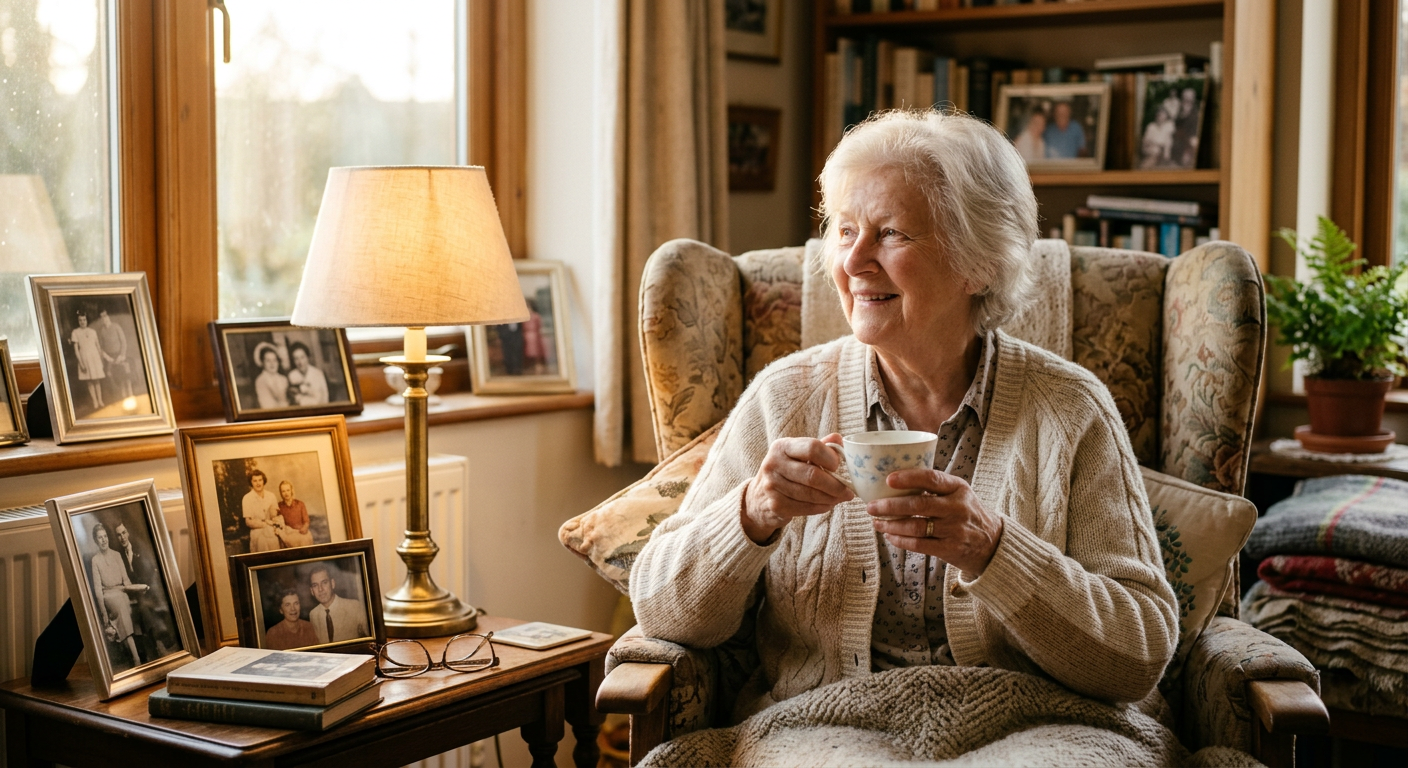
Looking at photo albums. A walk in the yard. Folding warm laundry together. Music, conversation, a card game. None of this looks 'medical' but it directly affects mood, sleep, and cognition.
Light housekeeping in their orbit
Wiping down the kitchen, changing the bed, a load of laundry. Not a deep clean — focused tidiness that keeps the home safe and dignified.
Documentation and handoff
Notes on what was eaten, mood, bowel/bladder, any incidents, anything the family or next caregiver should know. Photos of any new skin findings sent to the care manager. A clear handoff so nothing falls through the cracks.
Multiply this by every shift, every day, and you have what 'just a caregiver' actually does.


When you're ready, we're here.
A free in-home assessment with one of our care managers — no pressure, no obligation. Just an honest conversation about what would actually help.